
Are you ready to spice up your dinner routine? Indian Coconut Chicken Korma is a tasty, easy dish that your family will love. With tender chicken simmered in rich coconut milk and aromatic spices, this meal is simple to make yet full of flavor. Join me as I guide you through the ingredients and steps needed to create this delightful feast that will transport your taste buds straight to India!
Why I Love This Recipe
- Rich and Creamy Flavor: The combination of coconut milk and spices creates a rich, creamy sauce that is both comforting and indulgent.
- Easy to Prepare: This recipe is simple and quick, making it perfect for weeknight dinners without sacrificing flavor.
- Versatile Dish: Serve it with naan, rice, or even on its own; this korma adapts to any dining occasion.
- Healthy Ingredients: Packed with protein and healthy fats from coconut milk, this dish is both nutritious and satisfying.
Ingredients
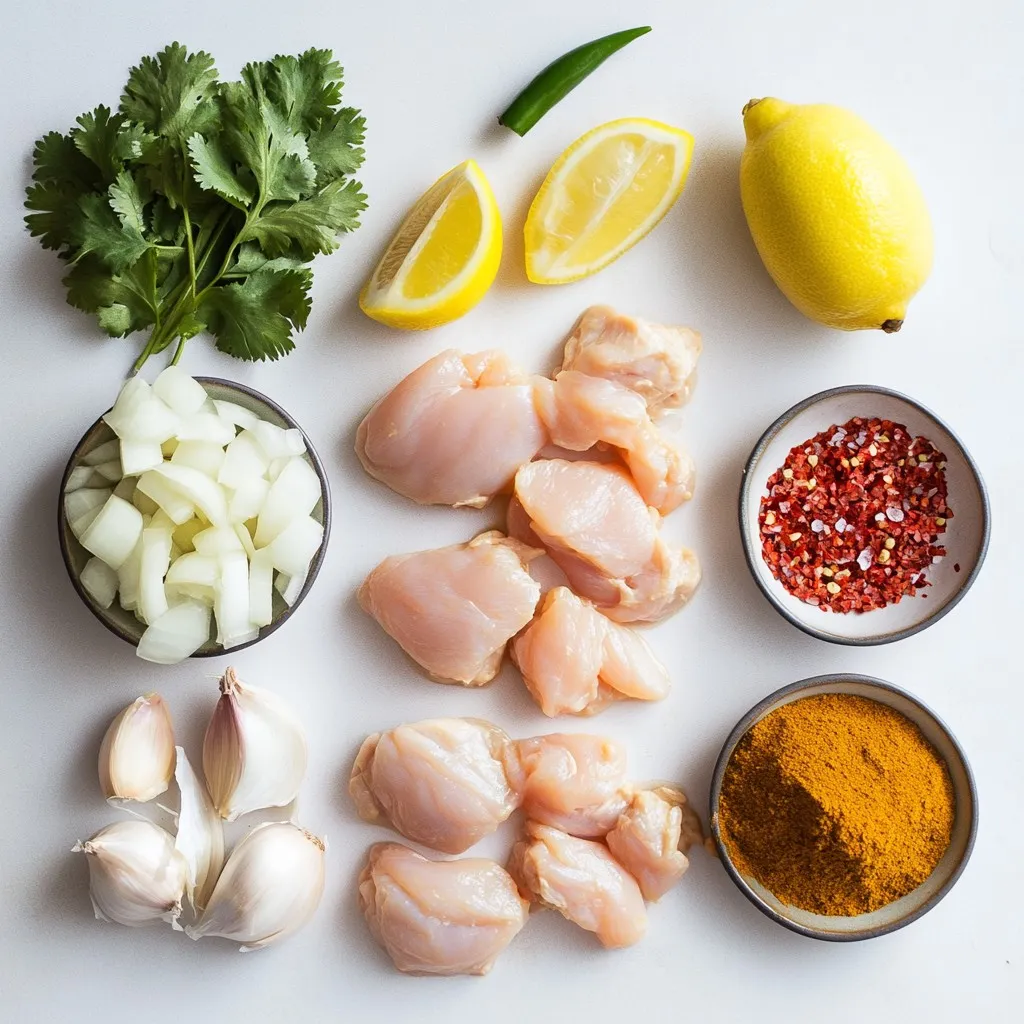
Main Ingredients
– 500g boneless chicken, cut into bite-sized pieces
– 1 cup coconut milk
– 2 tablespoons vegetable oil
– 1 large onion, finely sliced
– 3 cloves garlic, minced
– 1-inch piece ginger, grated
– 2 medium tomatoes, pureed
– 1 tablespoon ginger-garlic paste
– 1 tablespoon ground coriander
– 1 tablespoon ground cumin
– 1 teaspoon turmeric powder
– 1 teaspoon garam masala
– 1 tablespoon red chili powder (adjust to taste)
– Salt to taste
– 1 tablespoon lemon juice
These main ingredients form the heart of the korma. Boneless chicken gives a tender bite. Coconut milk adds creaminess and sweetness. The spices bring warmth and depth, making the dish rich and satisfying.
Optional Ingredients
– 1-2 green chilies, slit (optional)
– Fresh cilantro for garnish
– Additional garnishes like lemon wedges
You can add green chilies for a spicy kick. Fresh cilantro brightens the dish. Extra garnishes like lemon wedges make it look appealing. Using optional ingredients allows you to customize the flavor and presentation to your taste.
Step-by-Step Instructions
Preparing the Base
Sautéing Onions
Start by heating the vegetable oil in a large pan over medium heat. Add the sliced onions. Sauté them until they turn golden brown. This will take about 5 to 7 minutes. The browned onions add a rich flavor to the korma.
Adding Garlic and Ginger
Once your onions are golden, stir in the minced garlic and grated ginger. Cook this mixture for about one minute. You want to smell the fragrant garlic and ginger. This step builds a strong base for your dish.
Cooking the Chicken
Incorporating Spices
Next, add the pureed tomatoes and ginger-garlic paste to the pan. Cook this mix until the oil separates from the masala, which usually takes around 5 to 7 minutes. Then, add the ground coriander, ground cumin, turmeric powder, garam masala, red chili powder, and salt. Stir well and let this cook for another 2 to 3 minutes. This is where the magic happens; the spices release their flavors.
Adding the Coconut Milk
Now, it’s time for the chicken! Add the bite-sized chicken pieces to the pan. Stir until they are well coated with the spice mixture. Cook for about 5 minutes until the chicken starts to brown. Then, pour in the coconut milk and stir until combined. Bring the mixture to a gentle simmer.
Finalizing the Dish
Simmering Time
Cover the pan and let it cook on low heat for about 20 to 25 minutes. This slow cooking allows the chicken to become tender. Stir occasionally to prevent sticking.
Adjusting Seasoning
After the chicken is fully cooked, taste the korma. Adjust the seasoning with salt. If you like heat, add the slit green chilies. Finally, stir in the lemon juice. This gives a nice tang to balance the creaminess of the coconut milk. Remove from heat and garnish with fresh cilantro before serving.
Tips & Tricks
Achieving Authentic Flavor
Spice Selection
To get the best taste in your Indian Coconut Chicken Korma, choose fresh spices. I recommend using ground coriander, cumin, turmeric, and garam masala. These spices give depth and warmth to your dish. Red chili powder adds heat, but you can adjust this to fit your taste. Always check the freshness of your spices. Older spices lose their power and flavor.
Cooking Techniques
Start by sautéing onions until golden brown. This step builds a rich flavor base. Then, add minced garlic and ginger, cooking just until fragrant. They add a lovely aroma to your dish. When you mix in pureed tomatoes, let it cook until the oil separates from the mix. This shows the spices are well-cooked. Finally, simmer the chicken in coconut milk for a tender texture.
Presentation Tips
Serving Suggestions
For a lovely meal, serve the korma hot in a nice bowl. Drizzle some extra coconut milk on top for a creamy touch. Pair it with warm naan or fluffy basmati rice. This combo makes for a filling and satisfying dish.
Garnishing Ideas
Fresh cilantro adds a pop of color and flavor to the korma. Sprinkle it generously on top just before serving. You can also add a squeeze of lemon juice to brighten the flavors. If you like some heat, consider adding slit green chilies as a garnish. This makes your dish even more appealing!
Pro Tips
- Marinate the Chicken: For deeper flavor, marinate the chicken in spices and coconut milk for at least 30 minutes before cooking.
- Use Fresh Spices: Freshly ground spices will enhance the aroma and taste of your korma, making it more vibrant and flavorful.
- Adjust Consistency: If you prefer a thicker korma, simmer it uncovered for a few extra minutes to reduce the coconut milk.
- Garnish Creatively: Elevate presentation by garnishing with toasted coconut flakes or a sprinkle of crushed nuts for added texture.
Variations
Ingredient Substitutions
Using Different Meats
You can swap chicken for other meats. Try lamb, beef, or shrimp for unique flavors. Each meat brings its own taste to the korma. Adjust cooking times based on the meat you choose. For beef, cook longer to ensure tenderness. Lamb cooks fast, so watch closely to avoid overcooking.
Vegetarian or Vegan Options
For a vegetarian korma, replace chicken with chickpeas or paneer. Chickpeas add protein and texture. Paneer gives a creamy feel, just like chicken. Use vegetable broth instead of coconut milk for a lighter option. For a vegan twist, use tofu or tempeh. Both soak up the spices well.
Regional Variations
Southern Indian Style
Southern Indian korma often includes coconut and curry leaves. These ingredients add a fresh, vibrant taste. You might also find tamarind for a slight tang. Serve it with rice or dosa for a full meal.
North Indian Style Korma
North Indian korma is richer and creamier. It often uses nuts like cashews or almonds. This makes the sauce thick and flavorful. You may also find a wider range of spices, giving it a warm depth. Traditionally, serve it with naan for a complete experience.
Storage Info
Refrigeration Guidelines
To keep your Indian coconut chicken korma fresh, store it in an airtight container. Place it in the fridge within two hours of cooking. It will stay good for about three to four days. Make sure the korma cools down before sealing it. This helps prevent moisture buildup, which can spoil the dish.
Freezing Instructions
If you want to save some for later, freezing is a great option. Cool the korma completely, then transfer it to a freezer-safe container. Leave some space at the top, as the korma will expand when frozen. Label the container with the date. You can freeze it for up to three months. To reheat, let it thaw in the fridge overnight and warm it on the stove. Stir in a splash of coconut milk to keep it creamy.
FAQs
What is Korma?
Korma is a type of curry that comes from South Asia. It has rich flavors and a creamy texture. This dish often uses meat, but you can also find vegetable versions. Korma’s roots trace back to Mughal kitchens in India. The cooking style blends slow-cooking with spices, making each bite tender and flavorful. The use of yogurt or cream adds to its smoothness. Korma varies by region, with different ingredients and spice levels. Overall, it’s a beloved dish that brings warmth and joy to many.
How can I make it less spicy?
To make your korma less spicy, you can adjust the amount of red chili powder. Start with a small amount, or skip it entirely. You can also add more coconut milk to balance the heat. Coconut milk adds creaminess and mellows out spices. If you like, remove the green chilies from the recipe. Another trick is to add a bit of sugar or honey. This sweetness can counteract some heat. Taste as you go, and keep tweaking until it suits your palate.
Can I use other types of milk?
Yes, you can use other types of milk in korma. Almond milk or cashew milk are great alternatives. They will add a unique flavor while keeping the dish creamy. If you want a richer taste, try using heavy cream. However, this will change the dish’s texture a bit. Always choose unsweetened milk to avoid unwanted flavors. Just remember, different milks will slightly alter the final taste, but experimenting is part of the fun!
This blog post covered korma’s main ingredients, like boneless chicken and coconut milk. We discussed step-by-step instructions for preparation, cooking, and finishing the dish. Tips for achieving authentic flavors and creative presentation were included. Variations allow for different meats or vegetarian options. Lastly, we shared storage tips to keep your korma fresh.
Korma is versatile and easy to make. Enjoy exploring its rich flavors in your kitche