

Are you ready to bake something delicious? With this Greek Yogurt Lemon Loaf recipe, you can enjoy a moist, zesty treat that is both easy and healthy. Greek yogurt adds creaminess and boosts nutrition. Plus, it’s a great way to use fresh lemons. Follow my simple steps, and you’ll impress everyone with your baking skills. Let’s get started on a delightful loaf that’s sure to brighten your day!
Why I Love This Recipe
- Bright Flavor: This lemon loaf is bursting with zesty lemon flavor, making it a refreshing treat any time of year.
- Easy to Make: With simple ingredients and straightforward steps, this recipe is perfect for bakers of all skill levels.
- Moist and Delicious: The Greek yogurt adds moisture and richness, resulting in a tender, flavorful loaf.
- Versatile Serving Options: Whether enjoyed plain, dusted with powdered sugar, or paired with fresh berries, this loaf is always a hit.
Ingredients
List of Key Ingredients
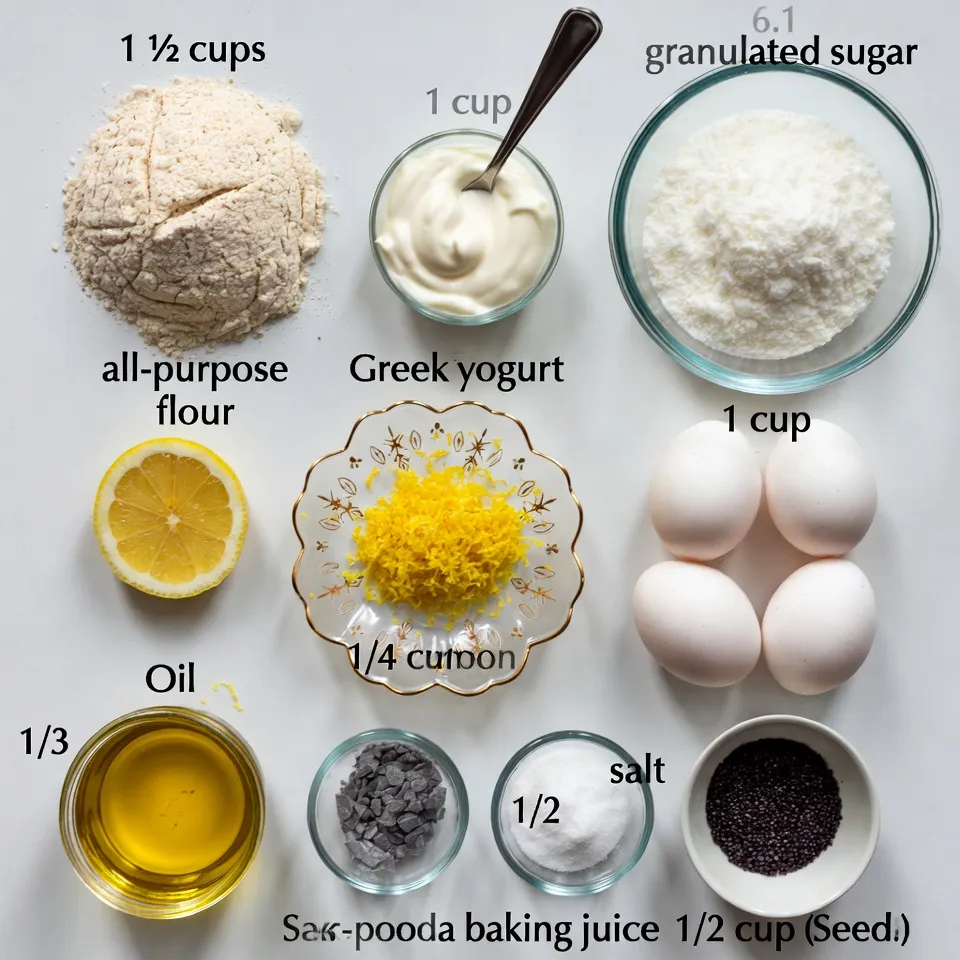
To make this zesty Greek yogurt lemon loaf, gather these key ingredients:
– 1 ½ cups all-purpose flour
– 1 cup Greek yogurt (plain, full-fat)
– 1 cup granulated sugar
– 3 large eggs
– 1/3 cup vegetable oil
– Zest of 2 lemons
– 1/4 cup fresh lemon juice
– 1 teaspoon baking soda
– 1 teaspoon baking powder
– 1/2 teaspoon salt
– Optional: 1/2 cup poppy seeds
Substitutions and Allergies
You can make some swaps if needed. Use whole wheat flour for more fiber. If you need a dairy-free option, try coconut yogurt instead of Greek yogurt. For a lower sugar option, use a sugar substitute that measures like sugar.
If you have allergies, make sure to avoid any ingredient that may cause a reaction. Check labels for allergens in your ingredients.
Benefits of Using Greek Yogurt
Greek yogurt adds moisture and a rich texture to your loaf. It also boosts protein, making the loaf more filling. The tangy flavor from the yogurt pairs perfectly with lemon, enhancing the taste. Plus, Greek yogurt can help keep your loaf fresh for longer.
Step-by-Step Instructions
Preparing the Oven and Loaf Pan
First, you need to preheat your oven to 350°F (175°C). This step warms the oven for even baking. While it heats, grab a loaf pan. Grease it well to prevent sticking. I like to line the bottom with parchment paper as an extra measure. This step makes it easy to remove the loaf later.
Mixing the Dry Ingredients
In a medium bowl, add the all-purpose flour, baking soda, baking powder, and salt. Use a whisk to mix them together well. If you want some fun texture, add poppy seeds at this point. This mixture is the base for your loaf, so ensure it is well combined.
Combining the Wet Ingredients
Next, take a large bowl. Beat together the granulated sugar and Greek yogurt until smooth. Slowly add one egg at a time, mixing well after each. Then, stir in the vegetable oil, lemon zest, and lemon juice. The zest and juice give your loaf its zesty flavor. Mix until everything is evenly blended.
Folding in Dry Ingredients
Now, it’s time to bring everything together. Gradually add the dry mixture to the wet ingredients. Stir gently until just combined. It’s okay if there are a few lumps; don’t overmix. Overmixing can make your loaf dense, and we want it light and airy.
Baking and Cooling Process
Pour the batter into your prepared loaf pan. Smooth the top with a spatula. Slide the pan into the oven and bake for 50 to 60 minutes. You can check for doneness by inserting a toothpick into the center. If it comes out clean, your loaf is ready. After baking, let it cool in the pan for about 10 minutes. Then, move it to a wire rack to cool completely. This cooling step helps set the loaf and makes it easier to slice.
Tips & Tricks
Ensuring a Moist Loaf
To keep the loaf moist, use full-fat Greek yogurt. It holds more moisture than low-fat options. Avoid overmixing the batter when combining wet and dry ingredients. A few lumps are okay! Also, check the oven temperature with a thermometer. A hot oven can dry out the loaf.
Perfecting the Lemon Flavor
For a strong lemon taste, use fresh lemons. The zest adds a bright flavor. The juice gives a good tartness. If you want more lemon zing, add more zest. You can also add a bit of lemon extract for extra depth. Just a little will do!
Common Mistakes to Avoid
Do not skip the greasing step for the loaf pan. This can cause the loaf to stick. Make sure to measure the flour correctly. Too much flour can make the loaf dense and dry. Lastly, remember to cool it properly. Cooling it for too long in the pan can make it soggy.
Pro Tips
- Use Room Temperature Ingredients: Ensure your eggs and yogurt are at room temperature before mixing. This helps create a smoother batter and a more even bake.
- Fresh Lemon Juice is Key: For the best flavor, use freshly squeezed lemon juice instead of bottled. It enhances the zesty profile of the loaf.
- Check for Doneness: Ovens can vary in temperature, so start checking the loaf for doneness a few minutes early. A toothpick should come out clean when inserted into the center.
- Cool Completely: Allow the loaf to cool completely on a wire rack before slicing. This ensures the texture remains light and fluffy.
Variations
Adding Poppy Seeds
You can add poppy seeds to the batter for a fun twist. Poppy seeds give a nice crunch and a slight nutty taste. Use about half a cup when mixing the dry ingredients. They add texture and make your loaf look beautiful.
Flavoring Ideas
You can change the flavor of your lemon loaf easily. Try adding a teaspoon of vanilla for warmth. Lavender is another great choice. Just add a teaspoon of dried lavender to the mix. Both options pair well with the lemon and give a unique taste.
Gluten-Free Alternatives
If you need a gluten-free loaf, swap the all-purpose flour. Use a gluten-free flour blend instead. Make sure it has xanthan gum to keep the loaf from crumbling. This simple switch lets everyone enjoy this tasty treat, no matter their diet.
Storage Info
How to Store Leftovers
After you enjoy your Greek yogurt lemon loaf, store leftovers in an airtight container. This keeps the loaf moist. You can keep it at room temperature for up to three days. If you want it fresh longer, store it in the fridge. It stays good in the fridge for about a week.
Freezing for Future Use
Freezing is a great option if you want to save some loaf for later. First, let the loaf cool completely. Then, slice it into pieces. Wrap each slice in plastic wrap. Place the wrapped slices in a freezer-safe bag. You can freeze the loaf for up to three months. When you’re ready to eat, just thaw it in the fridge overnight.
Reheating Suggestions
To enjoy your Greek yogurt lemon loaf warm, you have a few easy options. You can use a microwave. Heat each slice for about 10 to 15 seconds. If you prefer a crispy edge, use an oven. Preheat it to 350°F (175°C) and bake for about 5 to 10 minutes. Enjoy your loaf warm, and it will taste fresh!
FAQs
Can I use low-fat Greek yogurt?
Yes, you can use low-fat Greek yogurt. It will change the texture a bit. The loaf may be less rich and creamy, but it will still taste great. Low-fat yogurt helps keep the loaf lighter while still adding moisture. Just make sure to choose plain low-fat yogurt for the best flavor.
How can I make this recipe vegan?
To make this loaf vegan, you can replace the eggs. Use flax eggs instead. Mix one tablespoon of ground flaxseed with three tablespoons of water. Let it sit for five minutes until it thickens. You can also swap the granulated sugar for coconut sugar. This keeps the loaf sweet and tasty without animal products.
What are the best serving suggestions for Greek Yogurt Lemon Loaf?
I love serving this loaf with fresh berries on the side. Strawberries, blueberries, or raspberries add a nice touch. You can also dust the top with powdered sugar for a pretty finish. For extra flavor, serve with a dollop of Greek yogurt or a scoop of vanilla ice cream. Enjoying it warm or at room temperature works best!
In this blog post, we explored key ingredients for a delightful Greek yogurt lemon loaf. We discussed substitutions for allergies and highlighted the benefits of Greek yogurt. You learned step-by-step instructions for making the loaf, along with tips for keeping it moist and flavorful. We also shared fun variations, storage methods, and answered common questions.
Now, you can create a delicious and unique lemon loaf. Enjoy experimenting and sharing your tasty result