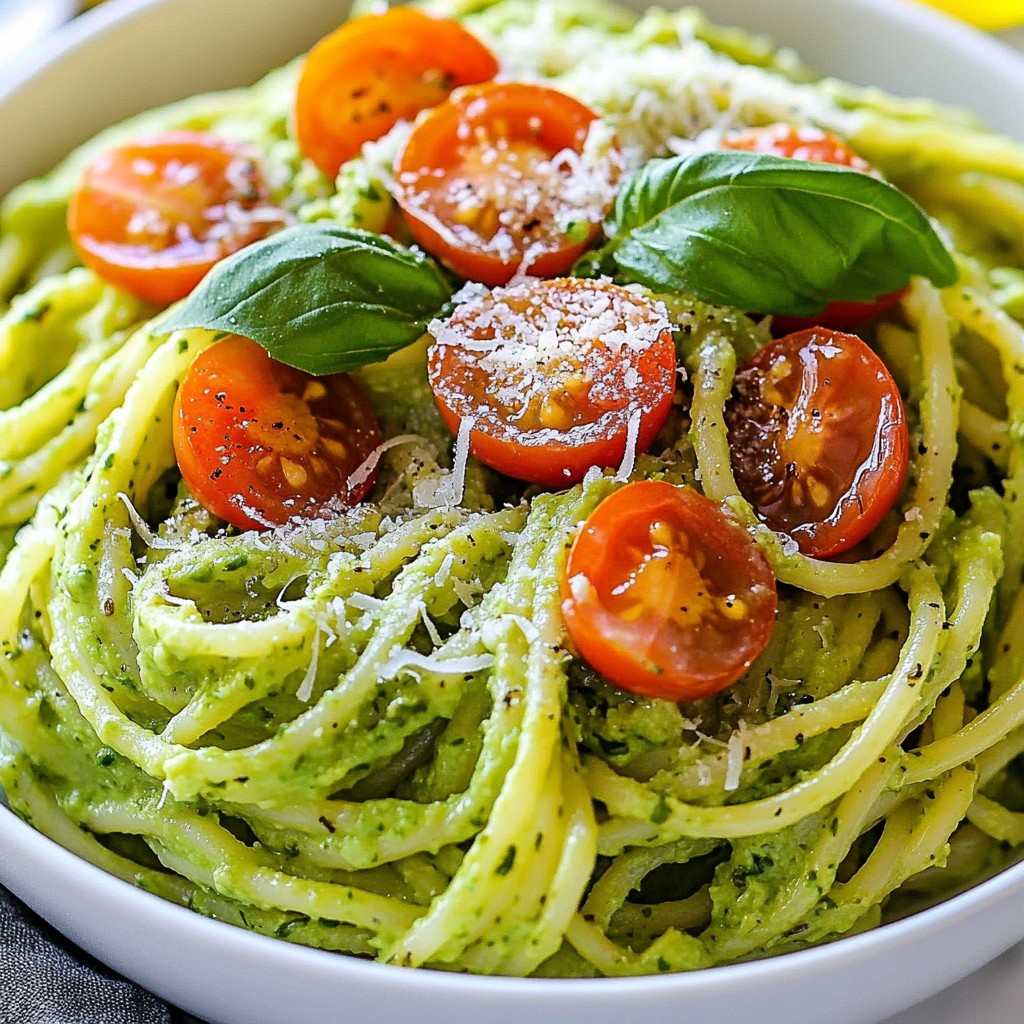

Are you ready to dive into a bowl of creamy butternut squash risotto? This dish is not only warm and comforting, but it also bursts with flavor. With simple ingredients like arborio rice and fresh sage, you can create a delicious meal that impresses everyone. Let’s explore how to make this flavorful delight step by step, ensuring you master the art of risotto. Get your spoons ready!
Why I Love This Recipe
- Comforting Flavor: The creamy texture and rich flavor of butternut squash make this risotto a perfect dish for cozy nights.
- Seasonal Ingredients: Utilizing fresh butternut squash allows you to savor the flavors of the fall season in every bite.
- Customizable: This recipe can easily be adjusted with additional ingredients like nuts or herbs for extra flavor and texture.
- Impressive Presentation: Topped with fresh sage and roasted squash, this dish looks as good as it tastes, making it great for entertaining.
Ingredients
Main Ingredients
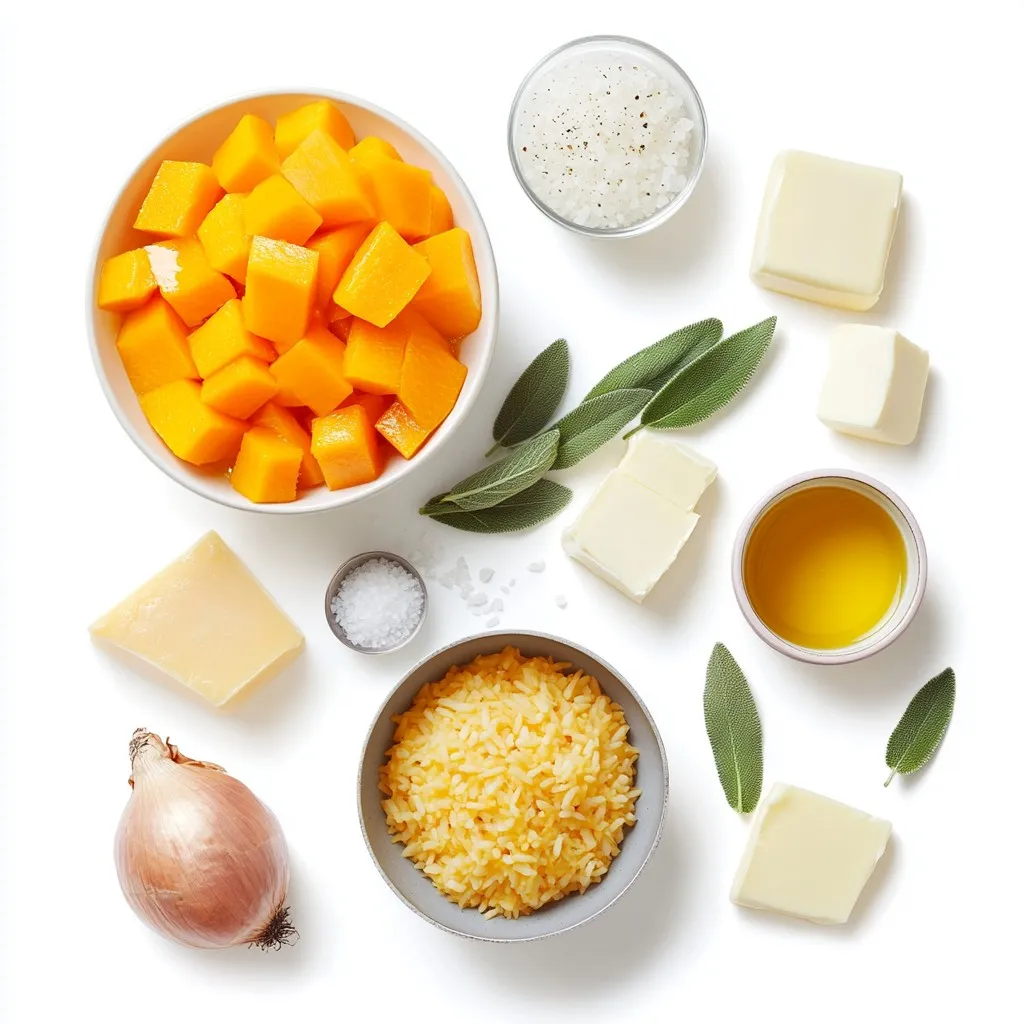
– 1 medium butternut squash, peeled and diced
– 1 ½ cups Arborio rice
– 5 cups vegetable broth
Additional Ingredients
– 1 medium onion, finely chopped
– 2 garlic cloves, minced
– 1 cup grated Parmesan cheese
– 2 tablespoons olive oil
– 2 tablespoons butter
Seasoning and Garnish
– Salt and pepper to taste
– Fresh sage leaves for garnish
– Optional: A pinch of nutmeg
In this recipe, the butternut squash brings a sweet, nutty flavor. The Arborio rice adds a creamy texture. The vegetable broth ensures a rich base for the risotto.
The onion and garlic provide a savory aroma that wakes up the dish. Parmesan cheese gives it a cheesy, rich finish. Olive oil and butter create a smooth consistency that enhances every bite.
Seasoning with salt and pepper balances the flavors. Fresh sage leaves add a lovely herbal note. If you like, a pinch of nutmeg can deepen the taste, making it more special.
With these ingredients, you create a creamy and flavorful delight that is both comforting and elegant.
Step-by-Step Instructions
Preparation Steps
– Heating the broth: Start by placing the vegetable broth in a medium saucepan. Heat it over low heat. This keeps the broth warm as you cook.
– Sautéing butternut squash: In a large skillet, add olive oil and one tablespoon of butter. Heat it over medium heat. Once hot, add the diced butternut squash. Sauté it for about 8 to 10 minutes. You want it to become tender. Season with a pinch of salt and pepper. After cooking, remove half of the squash and set it aside for garnish.
Cooking Process
– Adding onion and garlic: To the skillet with the remaining squash, add the chopped onion and minced garlic. Cook this mix until the onion is soft and clear, about 3 to 4 minutes.
– Toasting Arborio rice: Next, stir in the Arborio rice. Toast the rice for about 2 minutes while stirring. This step helps to add a rich flavor to the rice.
Risotto Technique
– Incorporating broth gradually: Now, it’s time to add the warm vegetable broth. Use a ladle to pour in one ladle at a time. Stir often. Wait until the rice absorbs most of the broth before adding more. Keep this up for about 18 to 20 minutes. The rice should be creamy and al dente when done.
– Final mixing and seasoning: Stir in the remaining butter and grated Parmesan cheese. If you like, add a pinch of nutmeg for extra flavor. Mix until it’s creamy and well combined. Taste and adjust with salt and pepper as needed.
Tips & Tricks
Achieving Creamy Risotto
To make creamy risotto, you must stir often. This helps release the rice’s starch, making the dish smooth. Use warm broth, too. Cold broth can shock the rice and slow cooking.
Flavor Enhancements
Fresh herbs make a big difference. I love adding sage to this risotto. It pairs well with butternut squash. You can also add a pinch of nutmeg. This spice adds warmth and depth.
Cooking Time Adjustments
Different cooktops can change cooking time. Gas stoves cook faster than electric ones. Keep an eye on your risotto. If you cook larger amounts, you may need more broth and time. Cook until the rice is al dente, not mushy.
Pro Tips
- Use Fresh Ingredients: Opt for fresh butternut squash and high-quality vegetable broth to enhance the flavor of your risotto.
- Stir Constantly: Stirring the rice frequently while adding broth helps release the starches, resulting in a creamy texture.
- Adjust Consistency: If your risotto gets too thick, add a little more broth or water to achieve your desired creaminess.
- Add a Flavor Boost: A pinch of nutmeg or freshly cracked black pepper can elevate the dish’s flavor profile beautifully.
Variations
Dietary Adjustments
You can make this risotto vegan. Just skip the Parmesan cheese and butter. Use olive oil instead. It will still taste great! For gluten-free options, Arborio rice is naturally gluten-free. Just make sure your vegetable broth has no gluten.
Flavor Combinations
Add nuts or dried fruits for a sweet twist. Walnuts or pecans give a crunchy bite. Dried cranberries or figs add sweetness. You can also mix in other veggies like spinach or peas for color and nutrients. They cook well and blend in nicely.
International Flavors
To give your risotto an Italian flair, use fresh herbs like basil or thyme. They add freshness and aroma. For a fun Asian twist, try adding ginger and soy sauce. This creates a unique flavor that is both savory and satisfying. Don’t be afraid to experiment and create your own versions!
Storage Info
Refrigeration Guidelines
To store leftover risotto, place it in an airtight container. Make sure it cools down first. Keep it in the fridge for up to three days. To reheat, add a splash of broth or water. Heat it slowly on the stove. Stir often to keep it creamy.
Freezing Risotto
You can freeze risotto, but it may change texture. Let it cool completely before freezing. Place it in a freezer-safe container. It can last for up to three months. To thaw, move it to the fridge overnight. Reheat it on low heat, adding a bit of broth.
Shelf Life
In the fridge, risotto lasts about three days. Check for signs of spoilage. If it smells sour or has a strange color, throw it away. Always trust your senses when it comes to food safety.
FAQs
Common Questions
Can I use a different type of rice?
Yes, you can use a different type of rice, but Arborio rice is best. It gives risotto its creamy texture. You might try Carnaroli or Vialone Nano. These types work well too. Other rice types may not absorb liquid as well, affecting the creaminess.
How do I make risotto without wine?
You can skip the wine. Just use more vegetable broth or a splash of lemon juice. This keeps the flavors bright without adding alcohol. You can also add white vinegar for acidity. It enhances the taste just like wine would.
Nutritional Information
Caloric content per serving
Each serving of butternut squash risotto has about 400 calories. This includes healthy fats from olive oil and butter, along with carbs from the rice. The Parmesan cheese adds protein and calcium, making it a balanced meal.
Tips for making it more nutritious
To boost nutrition, add spinach or kale. These greens add vitamins and minerals. You can also swap in whole grain rice for more fiber. Adding nuts like walnuts can give healthy omega-3 fats.
Serving Suggestions
Ideal pairings for butternut squash risotto
Butternut squash risotto pairs well with roasted chicken or grilled shrimp. These proteins complement the creamy dish. You can also serve it with sautéed mushrooms for an earthy touch.
Suggestions for side dishes and salads
For sides, try a simple arugula salad with lemon vinaigrette. The peppery greens balance the risotto’s sweetness. Roasted vegetables also make a great side. They add color and flavor to your meal.
This blog post detailed how to create a creamy butternut squash risotto. I shared essential ingredients, from Arborio rice to fresh sage. You learned the step-by-step cooking process, plus tips for perfecting texture and taste.
You can also explore variations for different diets and flavors while managing leftovers with proper storage. Overall, risotto is versatile and fun to make. Enjoy your cooking journey and the delicious rewards ahea